

Renaissance (2026)
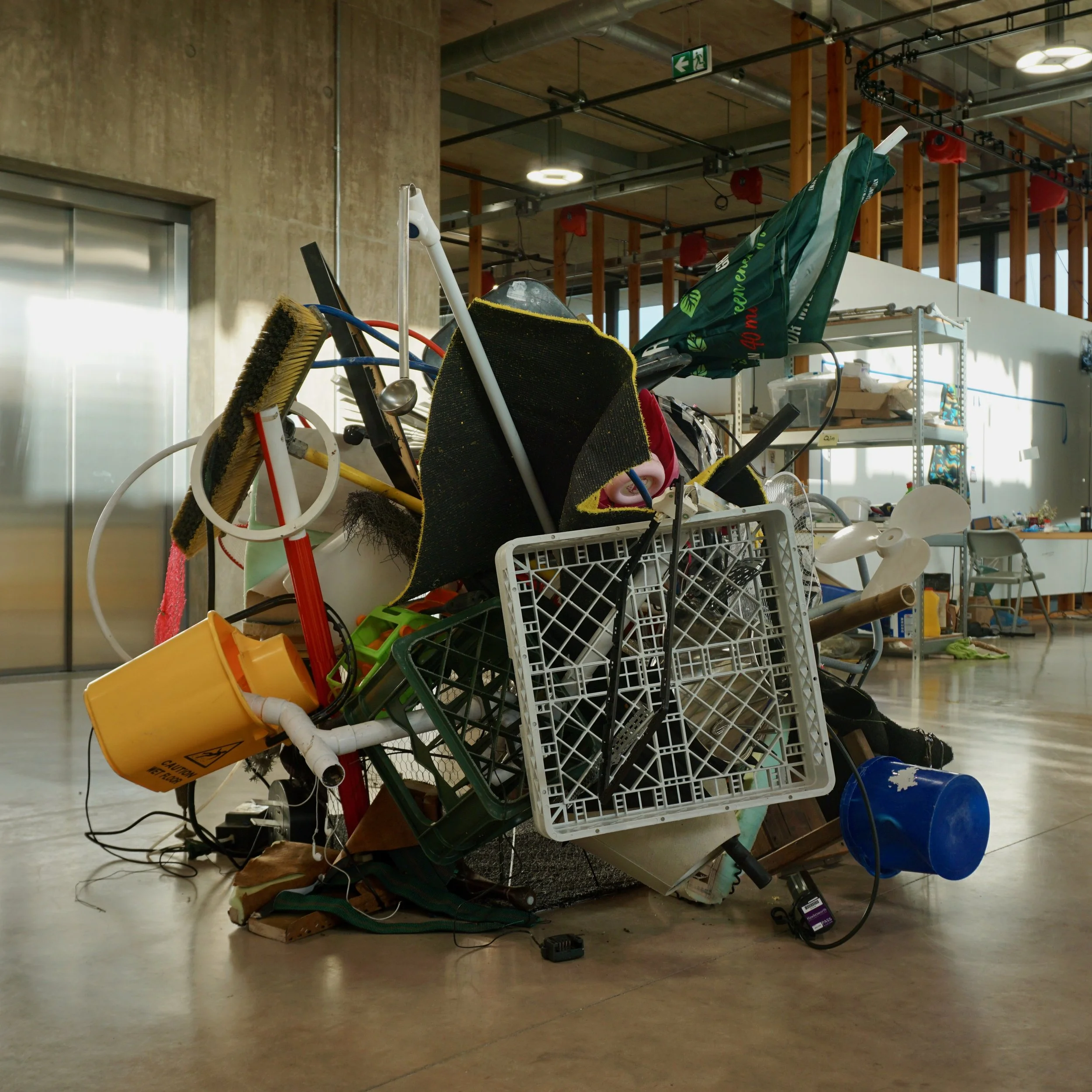
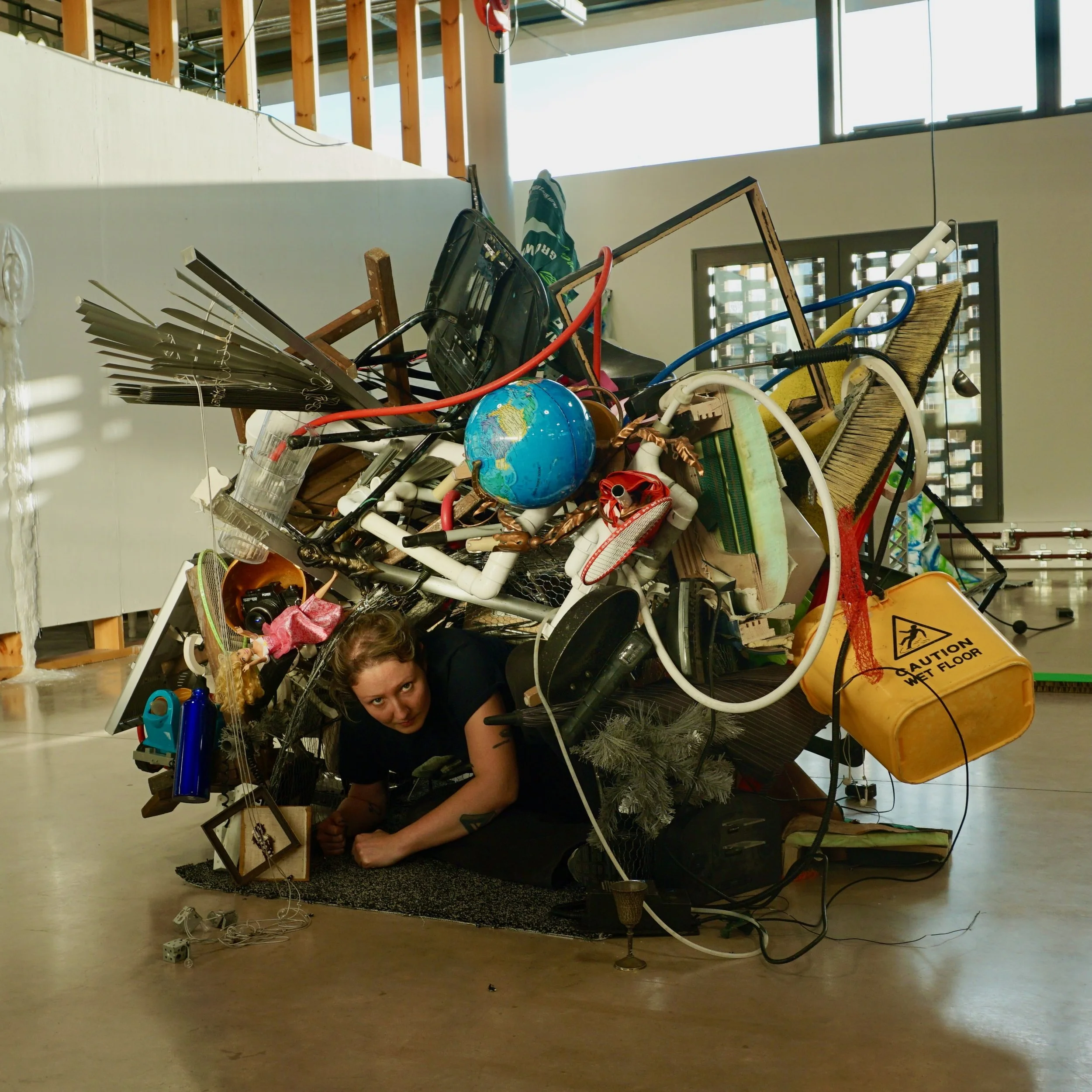
This exploration in assemblage is a site of confrontation and contemplation, a shelter found within future ruins
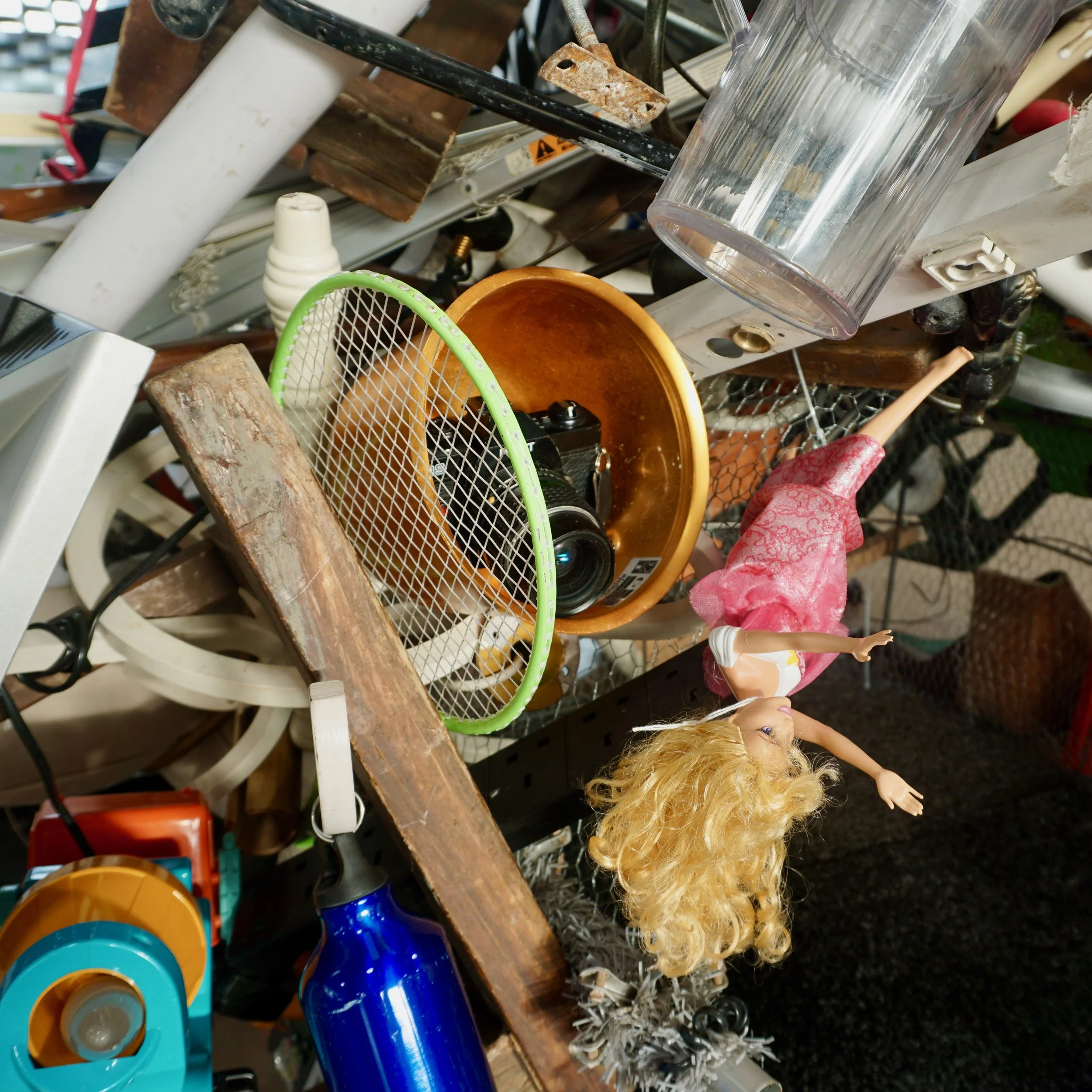
where the discarded materials of overconsumption are granted a second life.
It is an investigation into the detriment of capitalism on society and the necessity of finding refuge within the waste of an apocalypse.
By treating matter as alive, these objects are reclaimed from the pile to form a speculative fiction where nostalgia and survival coexist.
The construction of this cave was built entirely within the duration of a single album, tying the physical act of assembly to a specific window of musical time.
This process creates a direct connection between the rhythm of the music and the chaotic labor of building,
using the record as a stopwatch that forces every movement to stay in pace with the sound.